
News & market guide
Lease Negotiations in Southeast Minnesota: How to Protect Your Business and Maximize Every Commercial Lease
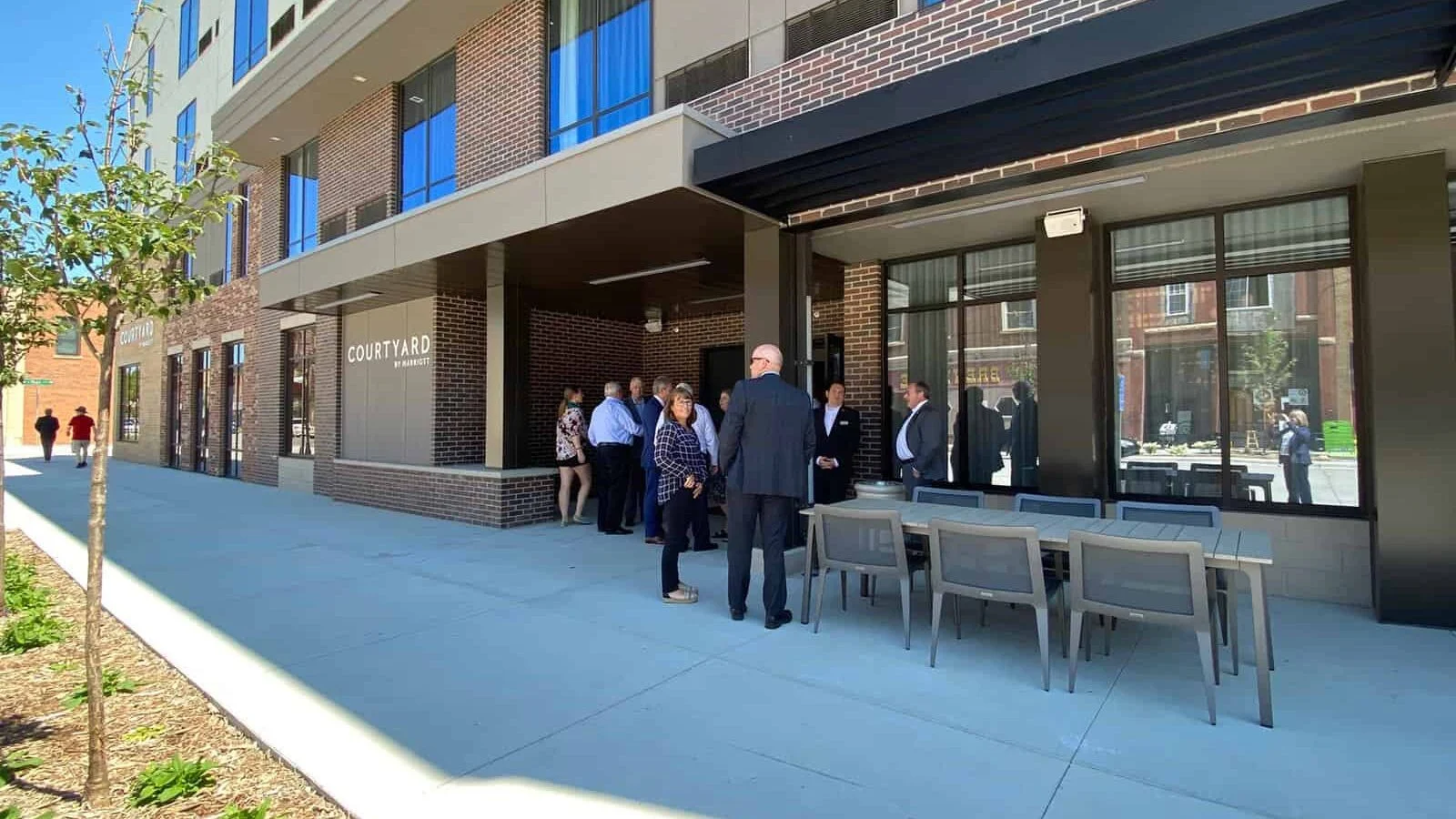
A retail business secured a prime location along West Circle Drive, only to discover two years later that automatic rent increases and limited signage rights were cutting into profits. The location was strong, the customer traffic was there, but the lease created expensive obstacles that could have been avoided during negotiations. This is a great example of a situation Hamilton can help you avoid.
In Southeast Minnesota, a commercial lease is far more than a monthly payment. It shapes operating costs, future expansion, maintenance responsibilities, and even the long-term value of a business. With Rochester continuing to grow through the Mayo Clinic’s expansion and new development spreading into Northwest Rochester and surrounding communities, lease terms deserve the same level of attention as the property itself.
Hamilton Real Estate Group represents both landlords and tenants, helping each side negotiate agreements that support their long-term goals while protecting their financial interests.
Every Lease Clause Has Financial Consequences
Commercial lease negotiations extend well beyond rental rates. Every clause influences how a business operates over the life of the agreement.
Discussions commonly include:
- Automatic renewal provisions and renewal options
- Annual rent increases and inflation-based adjustments
- Tenant improvement allowances for remodeling or build-outs
- Repair and maintenance responsibilities
- Operating expense allocations
- Signage rights and visibility
- Expansion or contraction options
- Assignment and sublease provisions
For a medical office near the Mayo Clinic, expansion rights may become critical as patient volume grows. A warehouse along Highway 52 may prioritize truck access, loading areas, and maintenance responsibilities. Retail properties along Highway 14 or West Circle Drive often place greater value on signage, visibility, and parking availability.
Each property type requires a different negotiation strategy.
Rochester’s Growth Is Changing Lease Strategy
The best commercial property locations in Rochester MN continue to evolve as development expands beyond downtown.
Businesses searching for space near Mayo Clinic often compete for limited inventory, giving landlords stronger negotiating positions. Meanwhile, Northwest Rochester continues to attract new retail, multifamily, and mixed-use projects that create additional opportunities for tenants willing to consider emerging locations.
Industrial and warehouse users along Highway 52 benefit from regional transportation access, while office users continue evaluating downtown locations against suburban developments that provide easier parking and modern layouts.
Understanding these local trends allows both landlords and tenants to negotiate from current market conditions instead of outdated assumptions.
The Details Outside the Lease Can Save Thousands
Many business owners focus entirely on rent while overlooking operational agreements that directly affect opening costs and future expenses.
Hamilton Real Estate Group can also assist with negotiating:
- Contractor coordination
- Telephone and internet service
- Marketing opportunities
- Building signage
- Vendor relationships tied to occupancy
Coordinating these items during lease negotiations often creates smoother business openings and reduces unexpected expenses after possession.
One Detail Many Investors and Business Owners Miss
Tenant improvement allowances are often viewed simply as construction dollars. In reality, the structure of those allowances can dramatically affect cash flow.
Questions such as when funds are paid, which improvements qualify, ownership of improvements after the lease expires, and reimbursement procedures frequently have a greater financial impact than the total allowance itself.
This becomes especially important for medical offices, restaurants, specialty retail, and professional office users with significant build-out costs.
A Practical Tip That Prevents Costly Mistakes
Never assume repair and maintenance language is standard.
Responsibility for HVAC systems, parking lots, roofs, plumbing, and exterior maintenance varies widely from lease to lease. A business that accepts vague repair language can unexpectedly inherit major expenses years into the agreement.
Clarifying these responsibilities before signing often prevents disputes and protects future operating budgets.
Matching Lease Strategy to Your Investment Goals
Commercial leases should support the broader investment strategy, not simply secure occupancy.
A first-time investor evaluating office or retail property should focus on tenant stability, lease duration, and predictable rental increases that strengthen long-term value.
An expanding business comparing lease versus buy decisions should evaluate occupancy costs alongside future space requirements, available development land, financing options, and operational flexibility.
Investors completing a 1031 exchange frequently prioritize properties with established tenants, stable lease structures, and predictable income over properties requiring immediate lease renegotiation.
Strong lease terms also influence cap rates, financing, resale value, and redevelopment potential, making negotiation a critical investment decision instead of a legal formality.
Questions Business Owners Ask About Lease Negotiations
How do you choose a commercial real estate broker in Rochester?
Look for a broker with experience negotiating commercial leases across office, retail, industrial, multifamily, and development land. Local knowledge of Rochester, Highway 52, Highway 14, downtown, and surrounding Southeast Minnesota communities provides valuable negotiating leverage.
Is leasing better than buying commercial property?
The answer depends on growth plans, available capital, financing, and long-term business goals. Businesses expecting rapid expansion often value leasing flexibility, while companies seeking long-term occupancy may benefit from ownership.
Where are the best commercial property locations in Rochester MN?
Popular locations include downtown Rochester, West Circle Drive, Highway 52, Northwest Rochester, and areas surrounding the Mayo Clinic. The ideal location depends on customer access, workforce needs, traffic counts, and property type.
Where should investors look for growth opportunities?
Many investors continue exploring commercial land for development near Mayo Clinic, redevelopment opportunities along established commercial corridors, industrial properties with regional access, and growing mixed-use areas in Northwest Rochester.
Why does lease negotiation matter to investment returns?
Lease structure directly affects tenant retention, operating expenses, financing, resale value, and future income. Strong lease agreements often contribute to stronger long-term returns than small differences in purchase price.
Make Your Next Negotiation a Strategic Advantage
Commercial lease negotiations are most successful when they begin before the first proposal reaches the table. Reviewing market conditions, understanding local growth patterns, identifying long-term business goals, and addressing every financial and operational detail creates stronger agreements for both landlords and tenants.
Hamilton Real Estate Group helps businesses, investors, and property owners throughout Rochester and Southeast Minnesota negotiate commercial leases that support long-term success, reduce unnecessary risk, and position every property for future value.