
News & market guide
Site Selection for Commercial Real Estate: What You Need to Know
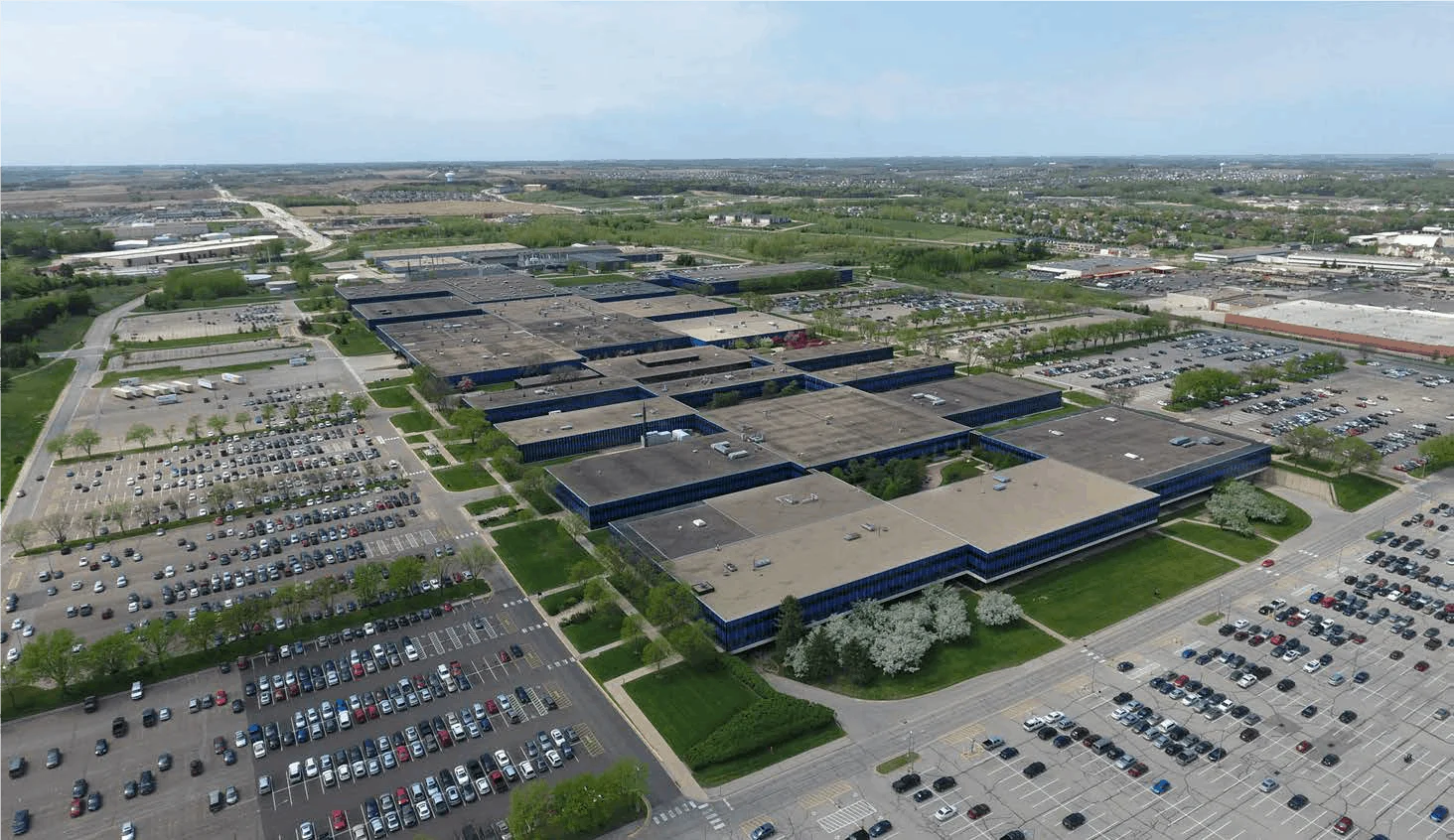
A commercial property on a busy road can still become a poor investment. One Rochester business owner purchased a highly visible retail building only to discover that left turns into the property were nearly impossible during rush hour. The traffic count looked impressive on paper, but customer access told a different story.
That example highlights why successful site selection goes far beyond finding available land or a building with a good price. The best commercial property locations in Rochester MN are chosen through careful analysis of zoning, traffic patterns, demographics, future development, and long-term investment potential.
For investors, developers, and business owners across Southeast Minnesota, selecting the right location often has a greater impact on returns than negotiating the purchase price.
Every Site Starts With Zoning
Before evaluating income potential or future appreciation, confirm that the property can legally support your intended use.
Zoning determines far more than the type of business allowed. It can influence building size, parking requirements, setbacks, signage, landscaping, stormwater management, and future expansion opportunities.
In Rochester, zoning deserves even closer attention because of the ongoing growth surrounding Mayo Clinic and the Destination Medical Center initiative. Areas near downtown continue evolving with mixed-use, medical office, hospitality, and residential projects, making some properties excellent redevelopment opportunities while others face additional planning requirements.
Commercial land for development near Mayo Clinic can command premium pricing, but investors should review the city’s long-term land use plans before assuming future rezoning is possible.
One practical tip that prevents a costly mistake is simple. Never assume a property can support your business simply because another commercial building sits nearby. Confirm permitted uses, utility capacity, and future roadway plans before closing.
Traffic Counts Only Tell Part of the Story
Traffic studies are valuable, but they should never be viewed in isolation.
Retail centers, restaurants, and service businesses benefit from strong daily traffic, while industrial and warehouse properties place greater value on truck accessibility and efficient transportation routes.
Several Rochester corridors continue attracting commercial investment because they combine visibility with regional access.
- Highway 52 remains one of the area’s strongest industrial and warehouse corridors because of excellent north and south connectivity.
- Highway 14 serves businesses moving goods across southern Minnesota.
- West Circle Drive continues attracting national retailers thanks to high traffic volumes and established shopping patterns.
- Downtown Rochester benefits from steady activity generated by Mayo Clinic employees, patients, and visitors.
- Northwest Rochester continues expanding as residential growth creates demand for new retail, office, and service businesses.
One insight many investors miss is that future traffic patterns often matter more than current traffic counts. Planned road improvements, new residential neighborhoods, and commercial developments can significantly change customer flow over the next decade.
A location with moderate traffic today may become one of tomorrow’s strongest commercial corridors.
Demographics Shape Long-Term Success
Every successful commercial project serves a specific customer base.
Understanding local demographics helps investors match the right property type with the surrounding market.
Important factors include household income, population growth, employment trends, daytime population, housing construction, and consumer spending.
Rochester offers a unique advantage because Mayo Clinic continues attracting highly educated professionals, medical specialists, researchers, and patients from around the world. That steady employment base supports office, multifamily, retail, hospitality, and medical-related development throughout the region.
Northwest Rochester continues seeing residential expansion, creating opportunities for neighborhood retail centers, healthcare services, and professional office space.
Communities including Byron, Kasson, Stewartville, Owatonna, Austin, Albert Lea, and Faribault also continue attracting commercial investment because they offer growing populations, regional highway access, and lower development costs than larger metropolitan markets.
For anyone asking where to invest in Rochester MN real estate, demographic trends should always be part of the answer.
Different Property Types Require Different Site Selection Strategies
Every commercial asset has unique location priorities.
Office properties benefit from accessibility, parking, and proximity to major employers. Medical office buildings often perform best near healthcare campuses.
Retail properties depend on visibility, convenient access, strong traffic counts, and nearby residential growth.
Industrial and warehouse facilities prioritize transportation networks, truck circulation, loading access, and workforce availability.
Multifamily investments perform well in locations supported by employment growth, expanding neighborhoods, and continued housing demand.
Development land requires an even longer outlook. Investors should evaluate existing infrastructure, utility availability, surrounding development, and future zoning flexibility before making a purchase.
Owner-users often evaluate sites differently than investors. A business planning to remain in one location for many years may benefit from purchasing rather than leasing, building equity while controlling occupancy costs.
Investors focused on cap rates typically prioritize tenant stability, lease terms, and long-term appreciation potential.
Local Knowledge Creates Better Decisions
National market reports rarely capture what is happening at the neighborhood level.
A site near Highway 52 may appeal to industrial users because of transportation access. A similar property closer to West Circle Drive could attract retailers seeking customer visibility. Downtown redevelopment opportunities often appeal to investors interested in mixed-use projects supported by Mayo Clinic’s continued expansion.
Understanding these local differences helps buyers avoid overpaying for the wrong location while recognizing opportunities that broader market reports overlook.
For first-time investors, stabilized office, industrial, or retail properties with established tenants generally provide a more predictable starting point than speculative redevelopment.
Investors completing a 1031 exchange often focus on assets with dependable cash flow, experienced tenants, and locations positioned for long-term appreciation.
Questions Buyers Frequently Ask
What are the best commercial property locations in Rochester MN?
The answer depends on your investment goals. Downtown Rochester offers strong opportunities tied to Mayo Clinic and Destination Medical Center growth. West Circle Drive attracts retail users seeking visibility. Highway 52 supports industrial and warehouse demand, while Northwest Rochester continues expanding with residential and commercial development.
Is it better to lease or buy commercial property?
Businesses planning long-term occupancy often benefit from ownership because they build equity and gain greater control over the property. Companies expecting rapid changes in space requirements may find leasing offers more flexibility.
Which commercial property types typically produce the strongest returns?
Returns depend on purchase price, tenant quality, lease structure, operating expenses, and market conditions. Retail, industrial, office, multifamily, and development land each perform differently throughout market cycles.
How important are traffic studies during site selection?
Traffic studies are essential, but access matters just as much as vehicle counts. Easy entry, safe turning movements, and efficient truck circulation often have a greater impact on long-term success than raw traffic volume.
How do you choose a commercial real estate broker in Rochester?
Look for a broker with extensive local market knowledge, experience across multiple property types, strong relationships throughout Southeast Minnesota, and the ability to identify opportunities that align with your investment strategy rather than simply showing available listings.
The Next Move Matters More Than Perfect Timing
Commercial real estate rewards preparation more than speed. The strongest opportunities rarely come from choosing the busiest intersection or the lowest asking price. They come from understanding how zoning, infrastructure, demographics, and future development work together to create long-term value.
Before purchasing office space, retail property, industrial buildings, warehouse facilities, multifamily investments, or development land in Southeast Minnesota, invest the time to evaluate the location from every angle. Working with a commercial real estate advisor who understands Rochester’s evolving market can help identify opportunities that support both today’s goals and tomorrow’s growth.